A mobile pyrolysis plant is a transportable, containerized reactor system that converts organic and synthetic waste into usable byproducts, biochar, pyrolysis oil, and syngas, directly at the site where the waste is generated. Because the equipment travels to the waste instead of the waste traveling to a fixed facility, operators cut transportation costs, avoid landfill fees, and turn a disposal expense into a revenue stream.
Pyrolysis itself is thermal decomposition in the absence of oxygen. Heating waste materials at high temperature without oxygen prevents combustion and instead breaks the material down into three product streams: a solid carbon-rich char, a liquid pyrolysis oil, and a combustible synthetic gas. A mobile plant packages this process into modular, road-transportable units that can be set up on-site rather than requiring a permanent industrial facility.
How a Mobile Pyrolysis Plant Differs From a Fixed Facility
Factor
Mobile Pyrolysis Plant
Fixed Facility
Location
Deployed at the waste source
Waste hauled to a central site
Setup time
Weeks, not years
Often multi-year permitting and construction
Scalability
Modular units added as volume grows
Capacity fixed at build
Transportation cost
Minimal, waste stays put
Ongoing hauling expense
Best fit
Distributed or remote waste streams
High-volume centralized operations
The mobility advantage matters most for industries generating waste in remote locations, spread across multiple sites, or where hauling volume is high enough that transportation cost outweighs the benefit of a bigger centralized plant. Railroads with creosote-treated ties scattered along thousands of miles of track, agricultural operations with seasonal crop residue, and remote mining sites are typical examples.
What a Mobile Pyrolysis Plant Can Process
Modern mobile pyrolysis systems, such as United Earth Energy’s UNI-Box reactor, are built to handle multiple feedstock types rather than a single waste stream:
Coal waste and mining residues yields skew toward char (roughly two-thirds of dry-weight output), useful for land reclamation and energy generation.
General agricultural waste crop residues, husks, and stalks similar balanced yield profile.
Exact yield ratios vary by feedstock moisture content and reactor settings, but published dry-weight data from operating units shows meaningfully different product mixes depending on what’s fed into the reactor, which is why feedstock-specific tuning matters when evaluating a system.
Byproducts and What They’re Worth
Biochar — used for carbon sequestration, soil amendment, filtration media, and activated carbon production.
Pyrolysis oil — used as industrial boiler fuel, refinery feedstock, or marine fuel blend stock.
Syngas — burned on-site to power the reactor itself or generate electricity, reducing net energy input.
Regulatory Status
EPA compliance depends on feedstock and jurisdiction, not on the mobile format itself. Reactors processing coal, wood, manure, and agricultural waste can be operating under EPA-compliant permits today; tire-specific pyrolysis typically requires separate certification because of the distinct emissions profile of rubber compounds. Any operator evaluating a mobile pyrolysis plant should confirm feedstock-specific permitting status with the vendor before purchase, not assume blanket approval.
Who Uses Mobile Pyrolysis Plants
Industries currently deploying mobile pyrolysis include railroads (creosote tie disposal), agriculture and farming operations, coal and mining operations, timber and paper mills, food processing plants, water treatment facilities handling biosolids, and municipal solid waste programs. The common thread is a waste stream that’s either high-volume, geographically distributed, or costly to transport under current disposal methods.
Why haul waste when you can process it on-site? Dive into United Earth Energy’s mobile pyrolysis plants that use oxygen-free thermal decomposition to turn diverse waste streams into biochar, oil, and syngas. We break down the cost savings, rapid deployment, and environmental benefits for agriculture, mining, and manufacturing.
The UNI-Box: United Earth Energy’s Mobile Pyrolysis Plant
United Earth Energy’s UNI-Box is a working example of the mobile pyrolysis plant model described above. It’s a modular, containerized reactor built to be transported to the waste source rather than requiring waste to be hauled to a fixed facility, and it’s already EPA-compliant for processing coal, wood, manure, and agricultural waste.
UEE’s UNI Box is a state-of-the-art containerized mobile pyrolysis reactor that converts waste into valuable resources.
Key specifics on the UNI-Box:
Modular and scalable — capacity is added by deploying additional units rather than rebuilding a larger fixed plant, so operators can start small and expand as waste volume grows.
Multi-feedstock capable — the same reactor platform processes coal, wood, manure, and agricultural waste, with published dry-weight yields showing coal skewing toward roughly 65% char, wood skewing toward roughly 40% oil, and manure and general ag waste splitting close to evenly across char, oil, and syngas.
Rapid deployment — because the reactor ships as a complete containerized unit, setup at a new site takes weeks rather than the multi-year timeline typical of fixed-facility construction and permitting.
Currently in active use — deployed today against railroad tie disposal, with additional feedstock and tire-processing capability (Odessa, TX monofill project) in development.
Operators evaluating a mobile pyrolysis plant can reach United Earth Energy directly at 737-497-8827 to discuss feedstock fit and deployment timeline for a UNI-Box unit.
Frequently Asked Questions
Is a mobile pyrolysis plant the same as a containerized pyrolysis unit? They overlap. “Mobile” describes the ability to relocate the system; “containerized” describes the modular, shipping-container-based construction that makes that mobility possible. Most modern mobile pyrolysis plants are built using containerized modules.
How much waste can a mobile pyrolysis plant process? Throughput scales with the number of modular reactor units deployed, since the modular design allows operators to add capacity incrementally rather than building a single oversized fixed plant.
Does a mobile pyrolysis plant produce emissions? Pyrolysis operates without oxygen, which avoids the combustion emissions associated with incineration. Syngas generated during the process is typically captured and used to fuel the reactor rather than released, though actual emissions profiles depend on the specific system and feedstock.
Can one mobile plant handle multiple waste types? Modular systems like the UNI-Box are designed to process multiple feedstocks, coal, wood, manure, and agricultural waste, though yield and setup may need adjustment between feedstock types.
United Earth Energy operates EPA-compliant mobile pyrolysis systems for railroad, agricultural, mining, and industrial waste streams. Call 737-497-8827 to discuss a project.
Get Started with United Earth Energy’s Uni-Box Today
Are you ready to transform wood waste into profit and sustainability? Contact United Earth Energy today to explore how the Uni-Box mobile pyrolysis system can revolutionize your timber mill or wood processing facility.
United Earth Energy’s UNI Box Mobile Pyrolysis System is redefining sustainability with pyrolysis. By converting organic waste into syngas, bio-oil, and biochar in a low-oxygen setting, it offers a portable, carbon-negative energy solution. This episode highlights its impact on fossil fuel reduction, regenerative agriculture, and circular economy goals across industries. Listen to see how it aligns with ESG and carbon markets!
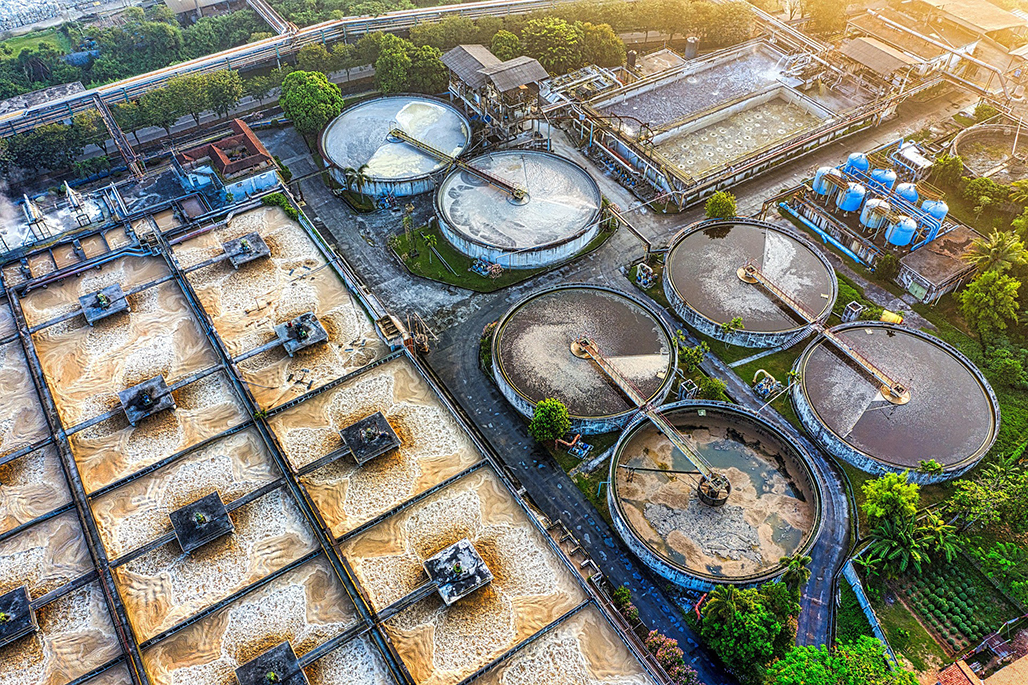
Sewage sludge and biosolids burden water treatment plants with costly, polluting disposal—until United Earth Energy’s Uni-Box mobile pyrolysis system steps in. Using pyrolysis, it turns waste into valuable biochar, bio-oil, and syngas onsite. Join us to explore how it slashes expenses, creates income, reduces energy costs, and ensures compliance, backed by a case study of its impact. Listen to unlock a greener, smarter solution!
The United States alone produces over 290 million tons of MSW annually, with approximately 146 million tons ending up in landfills. The environmental impact of this waste is substantial, contributing to greenhouse gas (GHG) emissions, soil and water contamination, and resource depletion.
In response to these challenges, United Earth Energy has developed an innovative waste-to-resource solution: the Uni-Box Mobile Pyrolysis System. This modular, mobile, and scalable technology can convert municipal waste into valuable byproducts such as:
Biochar – a soil enhancer that sequesters carbon and improves agricultural productivity.
Bio-oil – a renewable energy source that can replace fossil fuels in industrial applications.
Syngas – a fuel gas that can be used for onsite power generation, reducing energy costs.
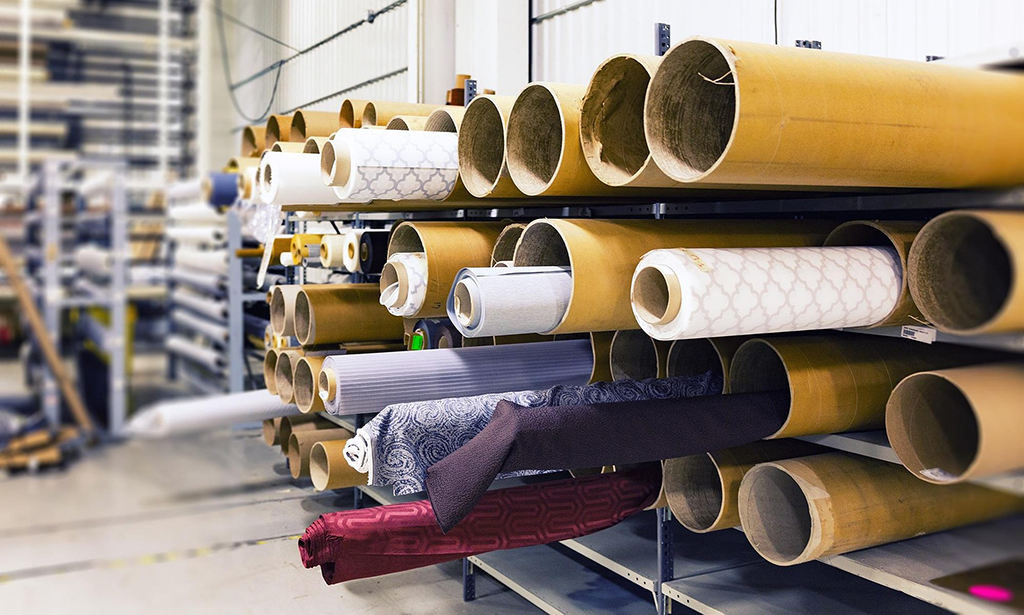
United Earth Energy’s Uni-Box mobile pyrolysis system is here to solve the textile and leather waste crisis. This episode explores how it transforms cotton scraps and leather offcuts into biochar, bio-oil, and syngas, cutting disposal costs and sparking revenue streams. Discover how its mobile, scalable design reduces emissions and fossil fuel reliance, offering manufacturers a sustainable edge. Tune in to see waste turned into profit and progress!